
7 Key Biosafety Protocols Every Research Lab in the U.S. Must Implement
Introduction: In the U.S. research and biotechnology industry, biosafety is not just about following rules; it is essential for responsible science. Laboratories that work with infectious agents, human samples, or genetically modified organisms encounter serious safety and regulatory issues. A small mistake without proper biosafety measures can result in contamination, exposure, or a loss of […]
Chemical Asset Management and GHS Compliance: Everything You Need to Know
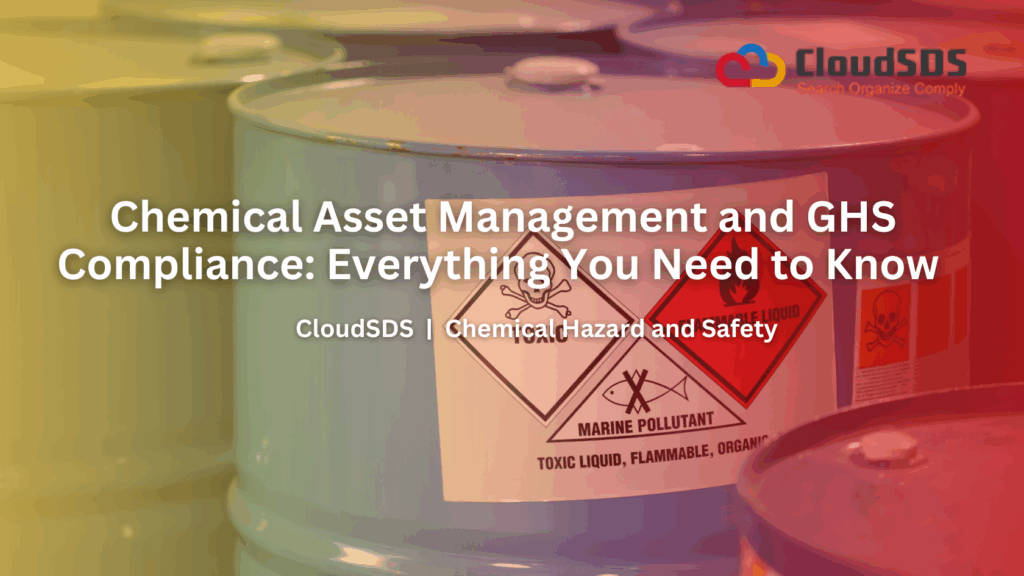
Introduction: Chemical assets drive daily processes across industries ranging from manufacturing and agriculture to pharmaceuticals and construction. However, these assets come with serious responsibilities, including regulatory compliance, worker safety, and environmental protection. In the United States, the Globally Harmonized System (GHS) of Classification and Labeling of Chemicals assures chemical hazards are communicated uniformly through standardized […]
Dichlorvos Hazard Safety and Usage a Detailed Guide
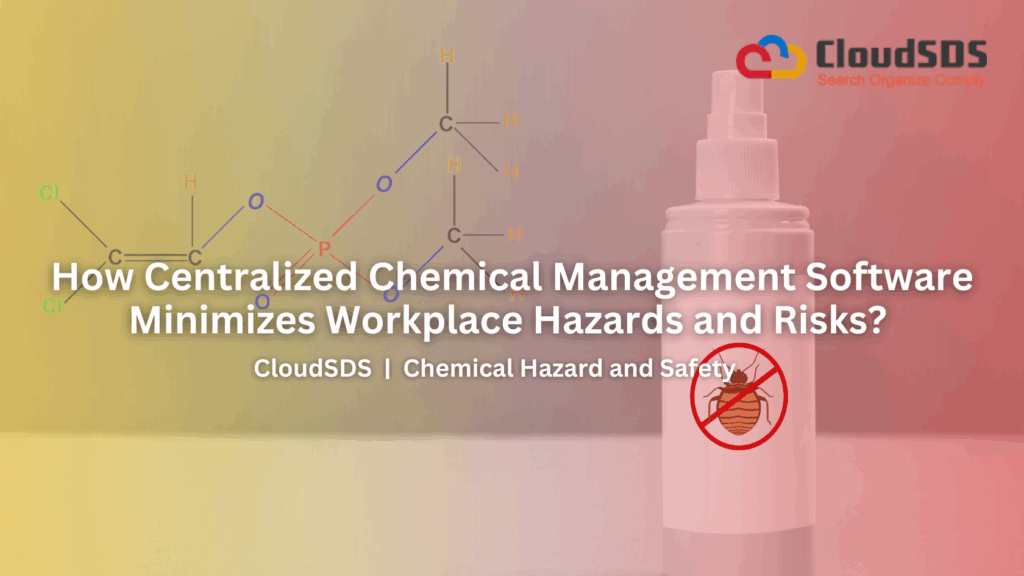
Introduction Dichlorvos (DDVP) is a highly volatile organophosphate insecticide with high acetylcholinesterase–inhibiting toxicity. Although very effective for control of a wide range of pests in agriculture, veterinary use, and public health applications, its acute neurotoxicity, likely carcinogenicity, and environmental persistence require strict exposure controls, high-level safety protocols, and adherence to regulatory limitations in order to […]
Capturing SDS for Drilling Fluids with Limited Disclosure
Introduction Developing a compliant approach to capturing Safety Data Sheets (SDS) for proprietary drilling fluids requires structured collaboration with suppliers, risk‐based hazard evaluation, alternative documentation strategies, protective legal frameworks, and integration into corporate EHS systems. By combining vendor agreements, surrogate hazard information, targeted laboratory analysis, and robust internal procedures, organizations can ensure hazard communication, regulatory […]
What an Exposure Control Plan Includes: A Guide
Introduction An Exposure Control Plan (ECP) is a vital element of any integrated workplace health and safety program, with the purpose of safeguarding employees from occupational exposure to harmful agents—be they physical, chemical, or biological. Required by regulatory agencies like the Occupational Safety and Health Administration (OSHA) in the US, the ECP has a methodical […]
Solid Chemical Hazards: A Detailed Guide
Introduction Solid-form chemicals are ubiquitous across laboratories, manufacturing, and industrial settings. Unlike liquids or gases, solids often generate dust or particulates that can disperse, be inhaled, or contaminate surfaces, compounding hazard potential. This guide explores classifications, hazard mechanisms, safe handling, storage, regulatory requirements, and training strategies to mitigate risks associated with solid chemical hazards. […]
Glass Dust in the Lungs: What to Do to Safeguard Yourself
Introduction Prolonged or repeated inhalation of glass dust can cause respiratory irritation, pulmonary fibrosis, and other serious lung conditions. To protect yourself, implement engineering controls, use appropriate personal protective equipment (PPE), follow safe work practices, and undergo regular medical surveillance. Understanding Glass Dust and Its Hazards Glass dust comprises fine particles generated during cutting, […]
How to Perform a Biological Hazard Risk Assessment in the Workplace
Introduction Biological hazards in the workplace represent significant health risks to workers in many sectors, ranging from hospitals and clinics to research labs, agriculture, and more. The successful assessment of biological hazard risks is not only paramount to ensure employee health and safety but also a necessity for compliance with regulations and business continuity. This […]
Handling Genetically Modified Organisms: Biological Risks in Modern Labs
Introduction Scientific Research The future of scientific research is being transformed through genetic engineering, with our powers now extending beyond improving plants and animals to creating new drugs for curing disease and even ‘reading’ the fundamentals of life itself. “Nevertheless, the shaping of life at the molecular level comes with its own special biosafety issues. […]
Employers’ Responsibilities Under OSHA’s Hazard Communication Standard for SDS Availability and Format
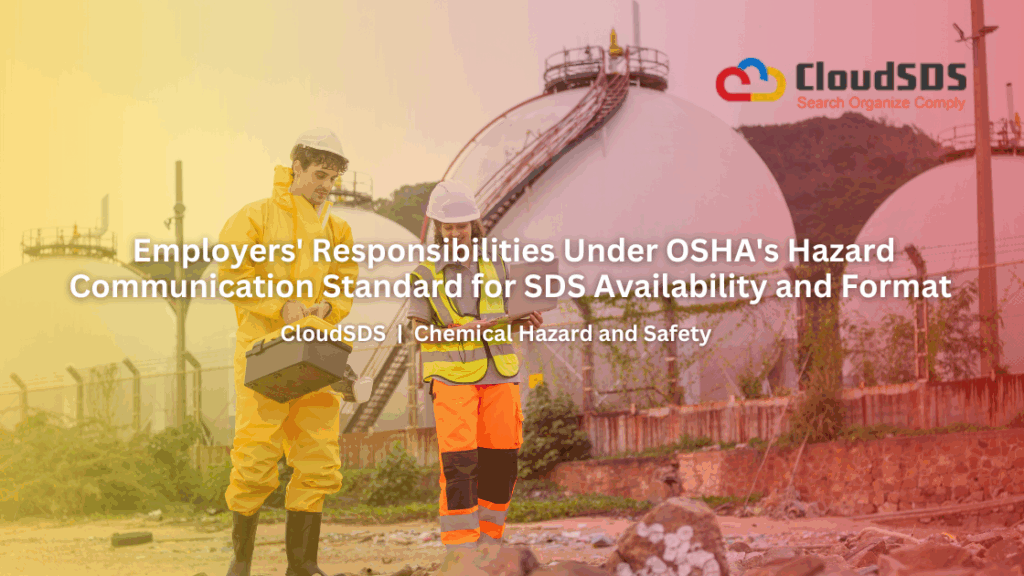
Introduction The Occupational Safety and Health Administration’s (OSHA) Hazard Communication Standard (HazCom), 29 CFR 1910.1200, sets thorough mandates for employers on management, availability, and presentation of Safety Data Sheets (SDSs). These requirements form the basis of protecting workers who work with hazardous chemicals in the workplace. Familiarity and adherence to these requirements are critical to […]